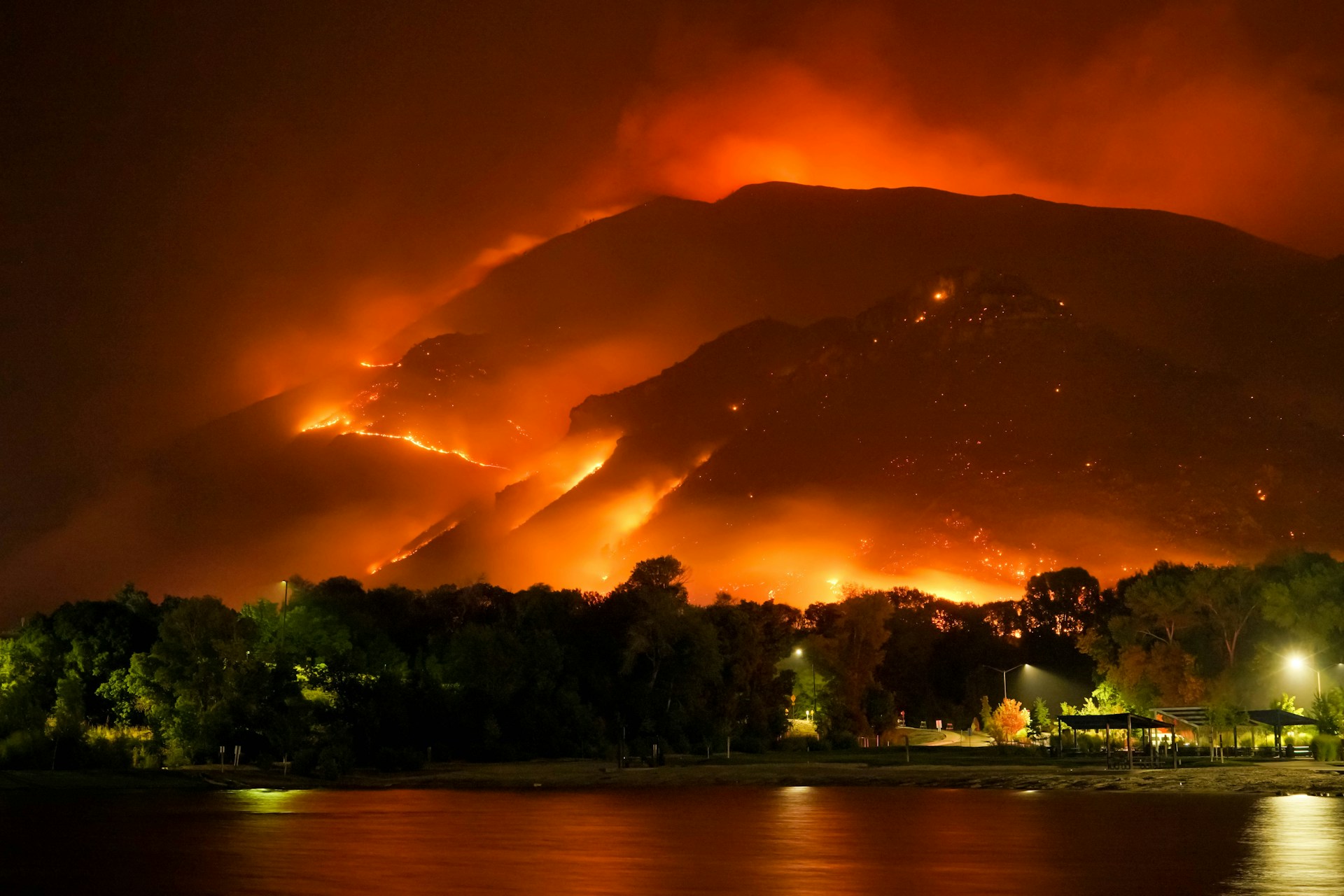
Wildfires are a reality across California. When a fire damages your home, business, or belongings, the next challenge is often dealing with the insurance company.
That part can be frustrating.
You paid for coverage. You expect help. But wildfire insurance claims can involve delays, low offers, confusing policy language, and disputes over what is actually covered.
Here’s how to protect yourself after a California wildfire and improve your chances of getting paid fairly.
Start With Safety
Before worrying about the insurance claim, focus on safety.
Follow evacuation orders. Do not return to the property until officials say it is safe. If you can, keep important items in a go bag, including IDs, medication, insurance documents, banking information, and basic records.
Once the immediate danger has passed, you can start documenting the damage and opening your claim.
Document Everything
Wildfire claims depend heavily on proof. The more documentation you have, the stronger your claim may be.
When it is safe, try to gather:
- Photos and videos of the property
- Images of damaged rooms, walls, roofs, vehicles, fences, and outbuildings
- A list of destroyed or damaged belongings
- Receipts for hotels, food, clothing, gas, and other extra costs
- Repair estimates
- Contractor notes
- Smoke damage reports
- Emails and letters from your insurer
Do not worry if your list is not perfect right away. Start with what you remember and keep adding details.
Open Your Insurance Claim Quickly
Contact your insurance company as soon as you can. Ask for a claim number and write it down.
Keep a simple claim log with:
- Date of each call
- Name of the representative
- What was discussed
- Documents requested
- Deadlines mentioned
- Copies of emails or letters
This paper trail matters. If the insurance company delays, changes its position, or undervalues your losses, your records can help show what happened.
Understand What Your Policy Covers
Every policy is different, so read yours carefully. If you do not understand something, ask for clarification in writing.
Common wildfire insurance coverage may include:
- Dwelling coverage for the home
- Other structures, such as garages, fences, or sheds
- Personal property, including furniture and belongings
- Additional living expenses if you cannot live at home
- Debris removal
- Smoke damage
- Business property or business interruption coverage, if applicable
Also check whether your policy pays replacement cost or actual cash value. Replacement cost is usually based on what it costs to replace the item. Actual cash value may subtract depreciation.
That difference can matter a lot.
Track Additional Living Expenses
If you had to evacuate or cannot live in your home, your policy may include additional living expenses, also called ALE.
ALE may help cover extra costs such as:
- Hotel or rental housing
- Restaurant meals
- Laundry
- Pet boarding
- Extra transportation costs
- Temporary furniture or supplies
Save every receipt. Even small expenses can add up after a wildfire.
California’s Department of Insurance says many residential policies cover additional living expenses after mandatory evacuations, and wildfire claimants should pay close attention to ALE limits and timelines. In a declared catastrophe, the time to collect ALE is generally no less than 24 months, with a possible extension up to 36 months for delays beyond the policyholder’s reasonable control.
Watch Out for Lowball Offers and Delays
Insurance companies may not offer the full value of a wildfire claim right away.
Common problems include:
- Delayed responses
- Requests for the same documents over and over
- Low repair estimates
- Disputes over smoke damage
- Depreciation that feels unfair
- Partial denials
- Claim denials based on policy exclusions
- Pressure to settle quickly
Do not assume the first offer is the final word. If the amount seems too low, ask for a written explanation and review the policy language.
Smoke Damage Still Matters
A home does not have to burn down to suffer serious wildfire damage.
Smoke, soot, ash, and contaminated air can affect:
- Walls and ceilings
- HVAC systems
- Furniture
- Clothing
- Carpets
- Attics and insulation
- Electronics
- Personal belongings
If your insurer downplays smoke damage, consider asking for proper testing, cleaning estimates, and written explanations for any denial.
When a Denied or Underpaid Claim May Be Bad Faith
Insurance companies have a duty to handle claims fairly. When an insurer unreasonably delays, denies, or underpays a valid claim, it may raise bad faith concerns.
Warning signs may include:
- Long delays without clear explanation
- Refusal to inspect all damage
- Ignoring evidence
- Misrepresenting policy terms
- Offering far less than repair or replacement estimates
- Denying coverage without a reasonable basis
Not every disagreement is bad faith. But if the insurance company is not treating the claim fairly, it may be time to get legal help.
When to Talk to a Wildfire Insurance Lawyer
You may want to speak with an attorney if:
- Your claim was denied
- The offer is too low to rebuild or repair
- The insurer is delaying payment
- Smoke damage is being ignored
- Your additional living expenses are being cut off
- You are being asked to sign a settlement you do not understand
- Your business losses are being disputed
A wildfire insurance lawyer may be able to review your policy, organize evidence, deal with the insurance company, and push back against unfair delays or underpayments.
How California Lawyer Connect Can Help
California Lawyer Connect is not a law firm and does not provide legal advice. We help connect Californians with licensed attorneys who may be able to review their situation.
After a wildfire, the right attorney may help with insurance disputes, denied claims, smoke damage claims, additional living expenses, bad faith issues, and property damage recovery.
The Bottom Line
Wildfires are devastating enough. Fighting with your insurance company can make recovery even harder.
To protect yourself, document everything, open your claim quickly, track expenses, read your policy, and be careful with fast settlement offers.
If your wildfire insurance claim is delayed, denied, or underpaid, start your free intake with California Lawyer Connect to get connected with a California attorney who may be able to help you understand your next steps.
Injured in California? We’ll Match You With the Right Lawyer Now.
Get the compensation you deserve, matched with a local attorney in under 60 seconds.
- Fast, secure, and 100% free
- No upfront fees
- California-based legal experts