Introduction: Your Phone Could Make or Break Your Case
If you’ve ever been in a car crash, you know how chaotic the moments afterward can be. Sirens, broken glass, adrenaline, maybe even pain. In the middle of all that stress, it’s easy to forget one simple fact: your phone might be the single most important tool you have for protecting yourself.
In California, where traffic collisions happen every day on busy freeways and crowded city streets, evidence is everything. Insurance companies don’t pay because you “say” you were hurt — they pay when there’s proof. And in today’s world, the best proof often comes from your smartphone.
Whether it’s photos, videos, or even voice memos, what you record in the minutes after a crash can mean the difference between getting a fair settlement and walking away with nothing.
Why Phones Are So Important in California Accident Cases
- Insurance adjusters aren’t your friend. Their goal is to pay as little as possible. Photos and recordings force them to face hard evidence.
- Memories fade fast. Adrenaline makes it easy to forget details. A voice memo right after the crash keeps your memory fresh.
- Juries want visuals. If your case goes to trial, photos of the scene or audio of a shaken witness can be far more powerful than words on paper.
- California law favors evidence. Our state follows “comparative negligence,” meaning fault can be split between drivers. The more evidence you have, the stronger your case if blame gets divided.
Step 1: Take Photos of the Scene (But Stay Safe)
Only do this if you’re physically able and it’s safe. If not, ask a passenger, friend, or bystander to help.
Here’s what to capture:
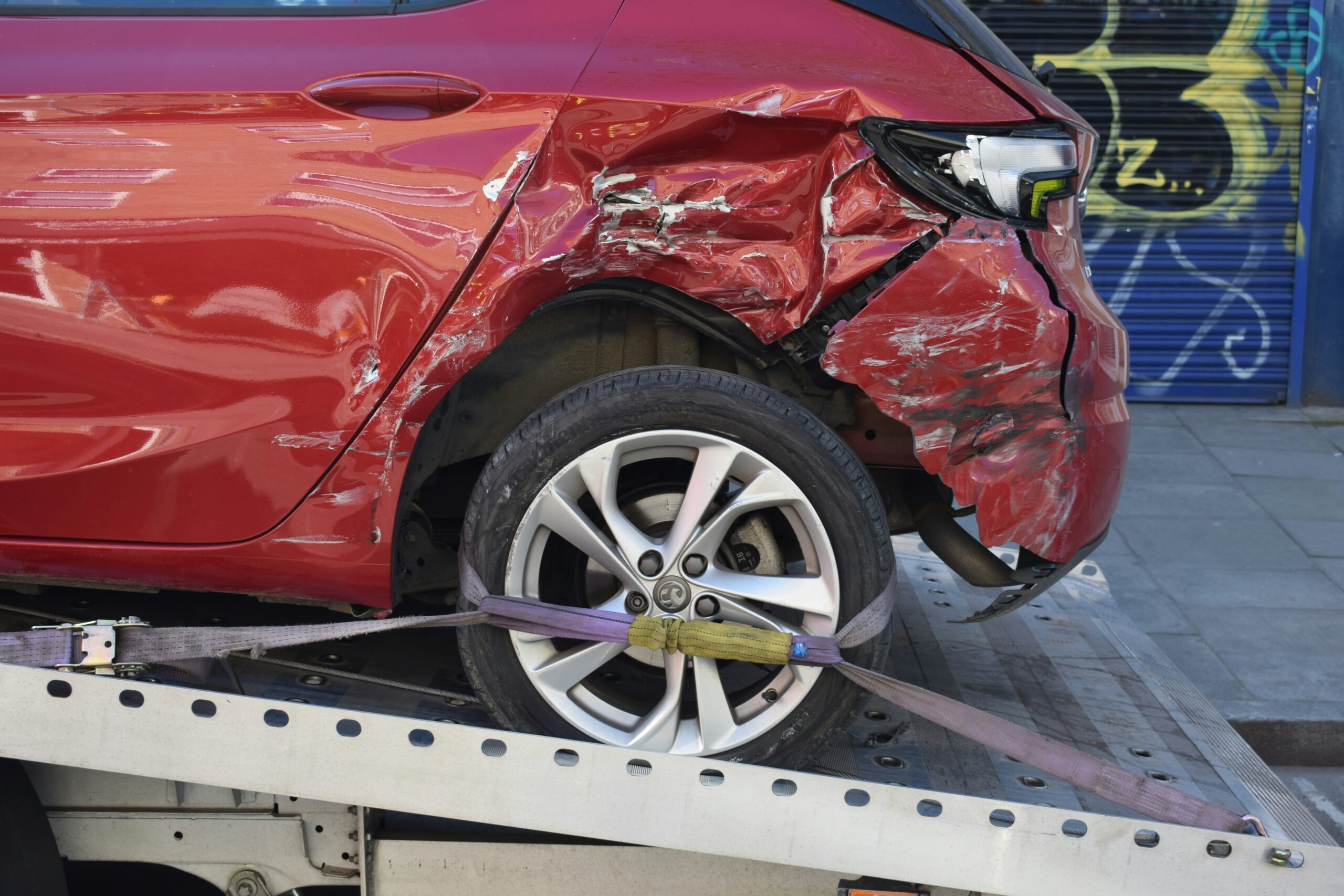
- Vehicles Involved: Take wide shots of all cars from multiple angles, plus close-ups of damage. Don’t forget license plates.
- The Entire Scene: Show where the cars ended up, skid marks, traffic lights, stop signs, construction zones, or hazards.
- Road Conditions: Was it raining? Foggy? Poor lighting? Capture it.
- Debris & Glass: Broken bumpers, tire marks, spilled fluids — all of it matters.
- Your Injuries: Take clear photos, even if you think they’re minor. Bruises and swelling often get worse later, and these “early proof” shots are critical.
Key Tip: Keep the date and time settings on your phone accurate. Courts and insurers love timestamped evidence.
Step 2: Record Short Videos for Context
Photos freeze a moment, but videos tell a story. Use your phone to:
- Walk around the accident scene with narration (“This is the intersection of Sunset Blvd. and Highland, 3:45 PM, traffic light was green for me”).
- Capture traffic lights cycling, if relevant.
- Record weather conditions (rain falling, poor visibility).
- Film damage to both vehicles, inside and out.
Key Tip: Speak while recording — juries like hearing the raw emotion and detail from right after an accident.
Step 3: Use Voice Memos Like a Crash Diary
You might not have a pen and paper handy, but every smartphone has a voice memo app. Record quick notes to preserve details you’ll forget later.
Here’s what to say:
- The exact time and location of the crash.
- What you were doing right before it happened (e.g., “I was stopped at a red light when I was hit from behind”).
- Anything the other driver said at the scene (“Sorry, I didn’t see you,” “I was on my phone”).
- Your immediate physical sensations (“Neck pain starting, dizziness, headache”).
Legal Note: In California, you need two-party consent to record conversations. You can record yourself freely, but don’t secretly record the other driver without their permission.
Step 4: Collect Witness Information
Witnesses often disappear before police arrive. If someone saw what happened:
- Ask for their full name, phone number, and email.
- Politely ask if they’d give a short recorded statement (only with their consent). Example: “I saw the truck run the red light and hit the silver car.”
- Even if they don’t want to record, get their contact info. Your lawyer can follow up later.
Step 5: Track Your Recovery With Your Phone
Accidents don’t end when you leave the scene. Injuries evolve, and California injury claims often drag on for months. Your phone can be your personal evidence locker.
- Medical Records: Snap pictures of discharge papers, prescriptions, physical therapy instructions, and bills.
- Expense Tracking: Photograph receipts for Uber rides to doctor appointments, medical devices, or over-the-counter meds.
- Daily Pain Journal: Record short voice memos about how your injuries impact your life (can’t sleep, can’t lift your child, missed work).
- Progress Photos: Document visible injuries over time. Bruises that fade in real life can stay preserved in your photo roll.
This creates a timeline showing how the crash affected your body, your finances, and your daily life.
Step 6: Back Everything Up
Phones get lost, stolen, or broken — don’t let your case disappear with them.
- Use cloud services (Google Drive, iCloud, Dropbox).
- Create a dedicated “Accident” folder.
- Share access with a trusted friend, family member, or your lawyer.
Why This Matters So Much in California Claims
California has comparative negligence laws. That means even if the other driver caused the crash, insurance companies will try to pin part of the blame on you to reduce payouts.
Example: If you’re awarded $100,000 but found 20% at fault, you only collect $80,000.
The stronger your evidence, the harder it is for insurers to shift blame. Photos, videos, and voice memos make it harder for them to deny responsibility.
Common Mistakes People Make With Phone Evidence
- Deleting “bad” photos – Don’t. Your lawyer decides what helps or hurts, not you.
- Posting on social media – Insurance adjusters stalk Facebook, Instagram, and TikTok. A smiling selfie the next day can be twisted against you.
- Not backing up files – One broken phone can erase your case.
- Recording conversations without consent – Illegal in California without both parties agreeing.
Real California Example: How Phone Evidence Saved a Case
A Sacramento driver was rear-ended at a stoplight. The at-fault driver claimed he was the one hit from behind and pushed into the victim’s car. Without photos, it would’ve been a “he said, she said” situation.
But the victim had:
- Photos of the crash scene showing no third car behind the truck.
- A voice memo recorded seconds after impact describing the events.
- A video showing the truck driver apologizing and saying he was “looking at his phone.”
The insurance company backed down fast. Settlement: over $250,000.
FAQs: Using Your Phone After a California Accident
Q: Do I have to give my photos/videos to the insurance company?
A: Share only after consulting with a lawyer. Sometimes it’s better to hold back until negotiations or trial.
Q: Can my phone evidence be used in court?
A: Yes — timestamped digital evidence is powerful in California courts.
Q: What if I was too injured to take photos?
A: Don’t worry. Witnesses, police reports, and nearby surveillance cameras can also provide evidence. Lawyers know how to track these down.
Q: Do I really need a lawyer if I have strong phone evidence?
A: Yes. Evidence helps, but insurance companies still try to twist things. A lawyer makes sure your evidence gets used the right way.
Bottom Line: Your Phone = Your Best Witness
In California car accident cases, evidence wins. Your smartphone isn’t just for calling a tow truck or texting your family — it’s your pocket-sized witness, documenting everything insurers hope you forget.
If you’ve been in a crash, take the time to use your phone wisely. And when you’re ready, let California Lawyer Connect connect you with a lawyer who knows how to turn that evidence into results.
Start your free intake with California Lawyer Connect today. It only takes a few minutes, and it could be the most important step toward protecting your rights after a crash.
Injured in California? We’ll Match You With the Right Lawyer Now.
Get the compensation you deserve, matched with a local attorney in under 60 seconds.
- Fast, secure, and 100% free
- No upfront fees
- California-based legal experts